
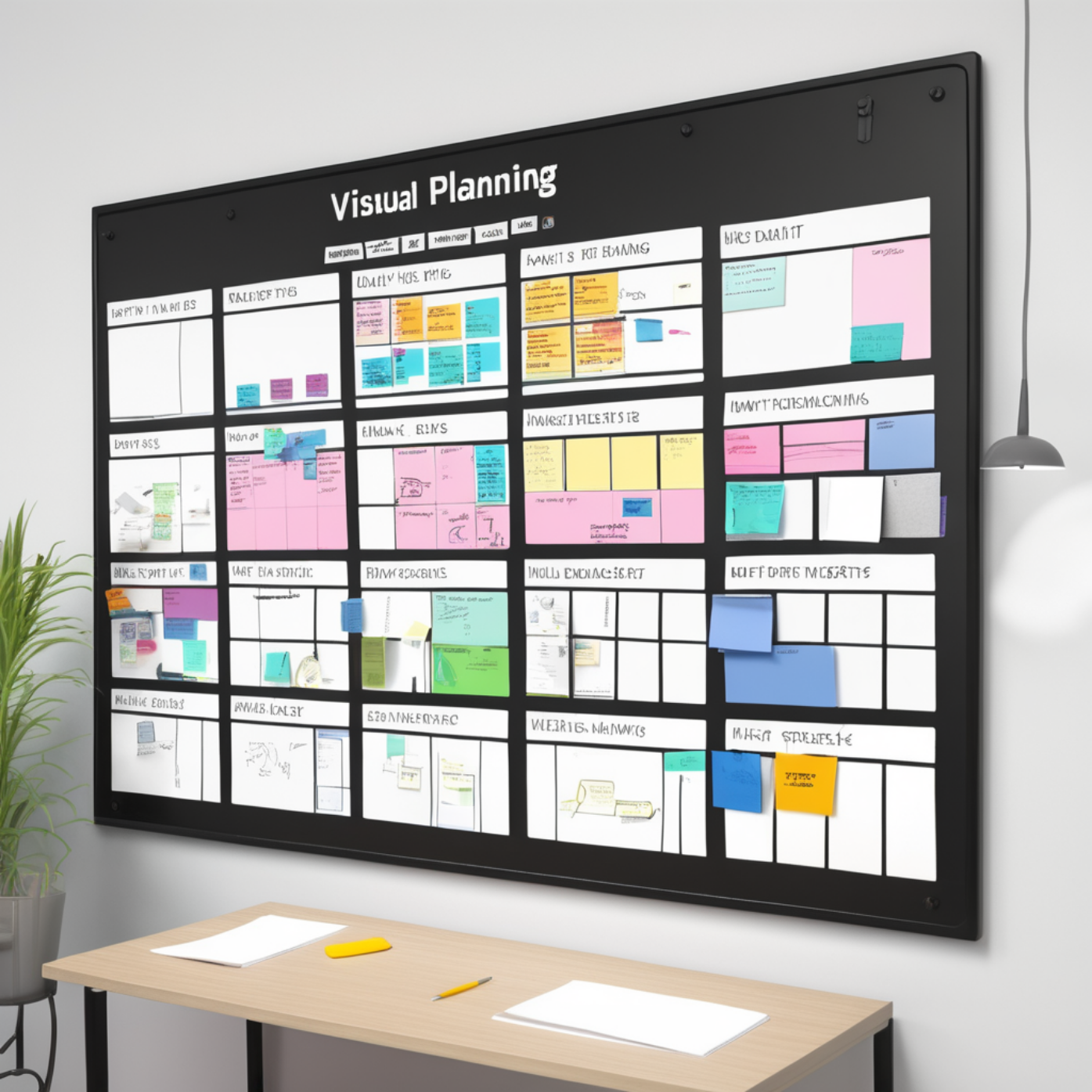
Goal planning charts do more than organize tasks-they tap into how the brain naturally processes information. Research shows that people retain and act on visual information more effectively than written lists in long paragraphs. When goals are arranged in a chart, the structure makes them easier to understand and less overwhelming. This visual clarity helps you stay focused and reduces the mental load that often leads to procrastination.
The Psychology of Small Wins
A major strength of goal planning charts is their ability to break big objectives into smaller steps. This approach aligns with the “small wins” principle, which explains that steady progress boosts motivation. Each time you complete a step and mark it off, your brain releases dopamine, reinforcing the behavior. Over time, this creates a cycle of momentum that makes long-term goals feel more achievable.
The Power of Written Commitment
Another reason these charts are so effective is the accountability they create. Writing down a goal makes it feel more concrete. Adding deadlines adds urgency and structure. Instead of relying on memory or vague intentions, the chart acts like a visible contract with yourself. Having each step laid out in front of you reduces the chance of drifting off track.
How to Set Up an Effective Goal Planning Chart
Begin by choosing one clear and specific goal. Broad statements like “get organized” or “improve fitness” are too vague to guide consistent action. Instead, focus on something measurable, such as “organize my workspace by Friday” or “walk 5,000 steps each morning.”
Once your main goal is defined, break it into smaller, realistic tasks. Each step should feel achievable on its own. Add deadlines to keep the plan structured. Place the chart somewhere you will see it daily-on your wall, desk, or digital device-to ensure your goals stay top of mind.
Reviewing and Adjusting Your Chart
A goal planning chart isn't meant to be rigid. Review your progress regularly and adjust when necessary. If a certain step turns out to be too large or unclear, break it down further. If you discover a more effective approach, update the chart. Flexibility helps you stay committed without feeling discouraged by unexpected changes.
Turning Vision Into Action
Goal planning charts work because they blend visual clarity, psychological motivation, and practical structure. They help you map out a clear path, stay consistent, and celebrate progress along the way. Whether your goals involve personal growth, career development, or habit-building, a well-organized chart can transform the process and keep you moving forward with confidence.


Write a comment ...