In today’s fast-paced work environment, aligning team objectives and maintaining focus is vital. Visual goal boards are an effective, low-cost method to bring goals out of spreadsheets and into plain sight. When used thoughtfully, they help teams understand priorities, track progress, and stay motivated.
What Are Visual Goal Boards?
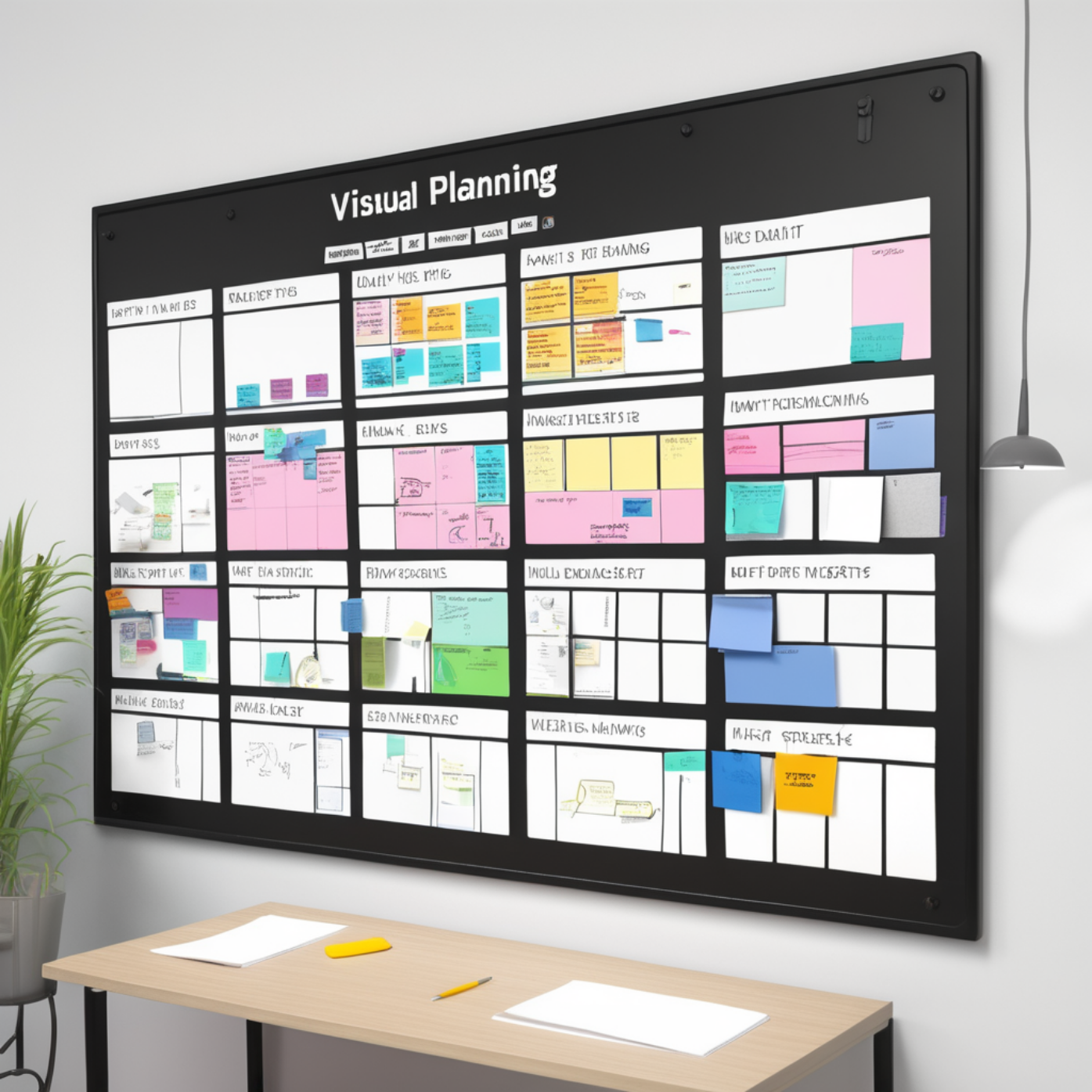
A visual goal board is a display that represents goals, milestones, and progress in a graphic format. These boards can be physical — like whiteboards or bulletin boards — or digital, created in tools like Trello, Miro, or online dashboards. The strength of a visual goal board lies in how it turns abstract targets into tangible reminders that everyone on the team can see and engage with.
For teams, visual goal boards turn planning into a collaborative experience. Instead of hidden documents or long email threads, goals sit where everyone can easily access and update them. This transparency boosts accountability and helps teams stay on course.
Why Teams Need Visual Goal Boards
1. Improve Clarity and Focus
Visual boards make objectives easy to understand at a glance. Team members can see what’s most important and how their tasks fit into the bigger picture. This reduces confusion about team goals and makes priorities clear, which is especially helpful during busy work cycles.
2. Boost Team Collaboration
When goals are visual and accessible, conversations about progress and roadblocks happen more naturally. Teams gather around the board — whether in person or on a shared screen — and discuss next steps. This fosters open communication and keeps everyone engaged in the process of goal planning and execution.
3. Track Progress Transparently
Seeing progress visually has a strong psychological impact. Moving a task from “In Progress” to “Done” or updating a progress bar visibly reinforces accomplishment. Regular updates on a visual goal board encourage team members to take ownership and maintain momentum.
4. Support Accountability
With goals clearly displayed, team members know what is expected and by when. This visibility helps teams hold each other accountable without creating pressure or confusion. Clear timelines and visual cues on the board keep accountability positive and focused on results.
How to Create an Effective Visual Goal Board
Start with Clear Objectives: Begin by defining 3–5 key outcomes your team needs to achieve. These should align with broader company goals and be specific enough to track.
Choose the Right Format: If your team works mostly in an office, a physical board in a common area can be very effective. If your team is remote or hybrid, choose a digital board that everyone can access easily.
Use Visual Cues: Color coding, progress bars, sticky notes, and icons all make goals easier to digest. These elements help team members understand status and priorities at a glance.
Update Regularly: A goal board is only valuable if it’s current. Set scheduled check-ins for updating the board, such as during weekly team meetings or daily stand-ups.
Real Impact on Team Performance
Teams that use visual goal boards often see improvements in productivity, morale, and alignment. Visual tools make planning less abstract and more actionable, turning high-level goals into everyday work that feels achievable. They help teams stay coordinated, celebrate successes, and quickly adjust when hurdles arise.
Conclusion
Visual goal boards are a simple yet powerful tool for teams of any size. By making goals visible, fostering collaboration, and highlighting progress, they transform how teams plan, work, and succeed together. Whether physical or digital, a well-designed visual goal board can make a big impact on team performance and workplace engagement.


Write a comment ...