Entrepreneurs in 2026 face constant distractions. Notifications, dashboards, and endless tools compete for attention. Despite the rise of digital productivity systems, many founders are returning to a simple solution: a Goal Tracker Board for Entrepreneurs in 2026.
Why? Because visual clarity drives action.
Unlike apps that require logins and navigation, a visible tracking system keeps priorities front and center. You see your goals every day. That visibility changes how you work, decide, and execute.
Why Visual Goal Tracking Matters More Than Ever
Running a business means managing multiple moving parts. Sales targets, marketing campaigns, client work, hiring, and operations demand attention simultaneously.
A Goal Tracker Board for Entrepreneurs in 2026 reduces mental clutter. Instead of juggling tasks in your head, you create a structured visual map. This helps entrepreneurs stay aligned with high-impact priorities rather than reacting to daily noise.
More importantly, visual tracking improves focus.
When goals remain visible, they remain relevant. You are less likely to drift toward low-value activities. Every glance reinforces direction and intent.
The Psychological Advantage of Physical Tracking Boards
Digital tools are efficient, but they are also easy to ignore. Tabs get buried. Notifications get dismissed. Goals get postponed.
Physical tracking boards offer a different experience.
They create a tangible connection to progress. Writing goals by hand strengthens commitment. Marking milestones creates visible momentum. Each completed task becomes a small but meaningful win.
This physical interaction supports habit building. Entrepreneurs develop stronger consistency because progress is always in sight.
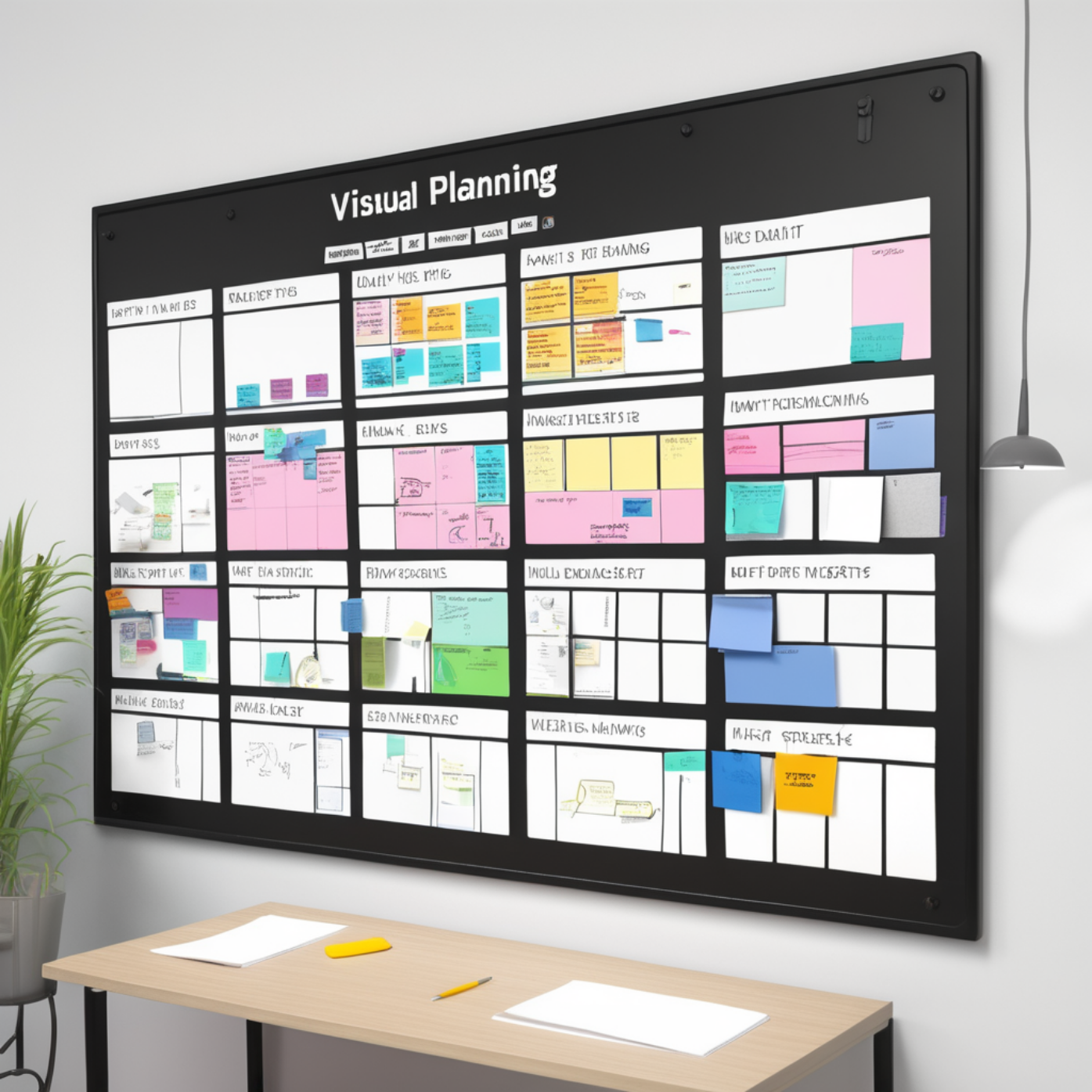
How Entrepreneurs Should Structure Their Tracking Board
A Goal Tracker Board for Entrepreneurs in 2026 works best when it remains clear and simple. Overcomplication defeats the purpose.
Effective boards usually include:
Defined business goals
Measurable outcomes
Actionable tasks
Milestone tracking
Progress indicators
Specificity is key.
For example, “Improve marketing” lacks direction. “Generate 30 qualified leads per month” creates clarity. Concrete targets allow better planning and decision-making.
Common Mistakes That Reduce Effectiveness
Even the best system can fail if used poorly. Many entrepreneurs overload their boards with too many objectives.
Clutter reduces usability.
A Goal Tracker Board for Entrepreneurs in 2026 should highlight priorities, not every task. Focus on high-impact goals that drive revenue, growth, or strategic advancement.
Another common mistake is neglecting updates. Visual tracking only works when progress stays current. Regular reviews maintain accuracy and accountability.
Why Visual Tracking Complements Digital Systems
Using physical tracking boards does not mean abandoning digital tools. Instead, entrepreneurs gain a strategic overview while apps handle execution details.
Think of the board as your command center.
It provides instant clarity, reinforces priorities, and supports long-term business planning. Meanwhile, digital tools manage workflows, collaboration, and automation.
Final Thoughts
In 2026, productivity is not about more tools. It is about better focus.
A Goal Tracker Board for Entrepreneurs in 2026 delivers visibility, structure, and daily reinforcement. When goals remain visible, progress becomes intentional.
For founders seeking clarity, consistency, and stronger execution, visual tracking remains one of the most practical productivity strategies available.


Write a comment ...